
If you follow a band long enough, you eventually realize something uncomfortable: the band you fell in love with doesn’t quite exist anymore.
And yet… it does.
That tension between continuity and change is what has kept classic rock bands alive for decades. Perhaps no band illustrates that better than The Rolling Stones.
When people talk about “the Stones,” they often mean a feeling more than a lineup. But the lineup has changed more than fans sometimes like to admit.
The early core – Mick Jagger, Keith Richards, Brian Jones, Bill Wyman, and Charlie Watts – defined the band’s original chemistry. It was loose, raw, dangerous, and unpredictable. You got the sense it could fall apart at any moment – but never did.
Then came the Mick Taylor era. Technically brilliant, more fluid, more melodic. Many say that was the best era of the band – but we’re not here to debate that at this time. The band tightened up musically, even as the lifestyle around it became more chaotic. Some fans love that period for its musicianship; others missed the scrappier edge.
When Ronnie Wood joined, something shifted again. Wood wasn’t just a guitarist – he was a personality that fit. The interplay between him and Richards brought back some of that weaving, conversational feel. Less precision than Taylor, perhaps, but more of that “band in a room” energy.
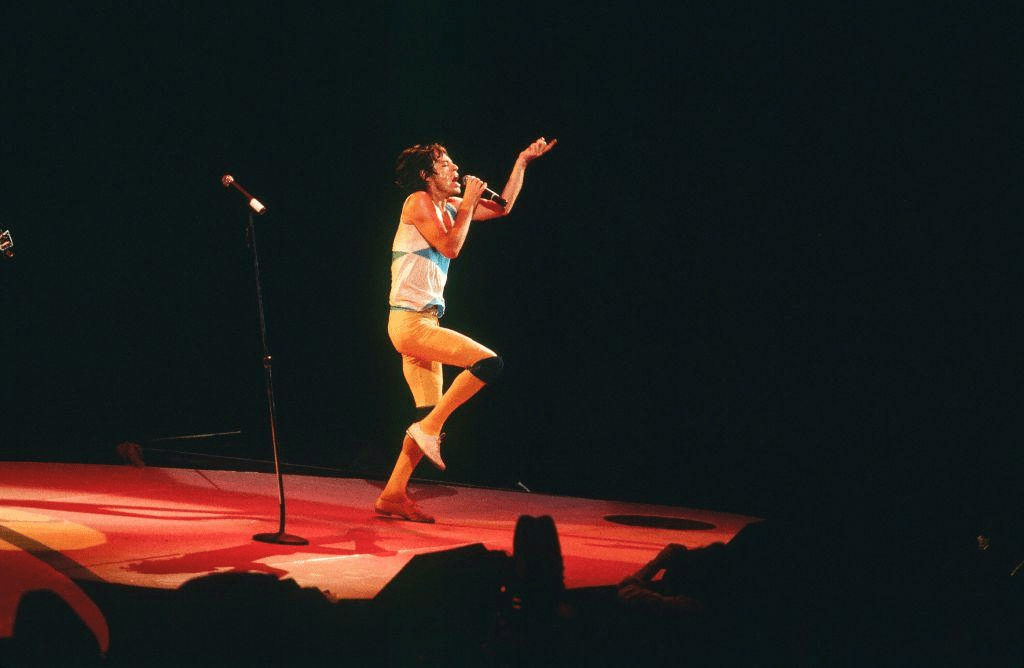
Then, quietly, more changes. Side musician Chuck Leavell increasingly higher in the mix onstage and termed “Musical Director” (ugh), those annoying backup singers, and Darryl Jones steps in on bass after Wyman left. A pro’s pro, incredibly solid – but not an original member. You feel the difference, even if the notes are right.
And more recently, Steve Jordan took over after Charlie Watts passed away. That one hits differently. Watts wasn’t just a drummer; he was the feel. Keith Richards once said, “Charlie Watts is the Rolling Stones.” Jordan brings power and drive, but longtime fans are still adjusting. It’s not resistance; it’s recognition. It still seems odd seeing him back there. Something fundamental has changed.
This isn’t unique to the Stones.
The Doobie Brothers transformed when Michael McDonald took over the sound. Grittier guitar-driven rock gave way to smooth, soulful, keyboard-led arrangements. Same band name, but a very different feel.
Chicago shifted from horn-heavy jazz rock to polished power ballads. REO Speedwagon moved from bar-band grit to radio dominance.
In every case, the band didn’t just evolve; they adapted to survive.
That’s the reality: bands that stay exactly the same often disappear. The ones that last are the ones willing or forced to change.
But there’s a tradeoff. What you gain: longevity, consistency, broader appeal. What you risk losing: edge, unpredictability, that fragile chemistry that made the band feel alive. Fans feel this instinctively. That’s why someone can say, “They’re still great,” and in the same breath, “But it’s not quite the same.” “I like their early stuff better” – which, again, is another topic.
And they’re right on both counts. A band isn’t just a collection of songs. It’s a specific mix of people, at a specific time, under specific conditions. Change any one of those, and the chemistry shifts. The remarkable thing about bands like the Stones isn’t that they changed. It’s that, somehow, through all those changes, you can still hear enough of the original spirit to recognize them.
That’s not something you can engineer. It’s something you either have or you don’t.

