
Another entry in my travel log series
The first thing that hits you about Joshua Tree National Park in California is the feeling of space. Wide desert landscapes stretch in every direction, broken up by massive piles of boulders that look as if someone dropped them there eons ago. And then there are the trees themselves – the strange, twisting shapes of the Joshua tree reaching upward like something halfway between a cactus and a sculpture.
They don’t look like any tree you’re used to seeing; they look like they belong in the desert.
Driving and hiking through the park feels a bit like entering another world. The roads wind through open desert valleys, and climbers dot the landscape here and there, slowly working their way up the sun-warmed granite. Occasionally, you’ll see another hiker, or hikers, crossing the terrain with backpacks and wide-brimmed hats.
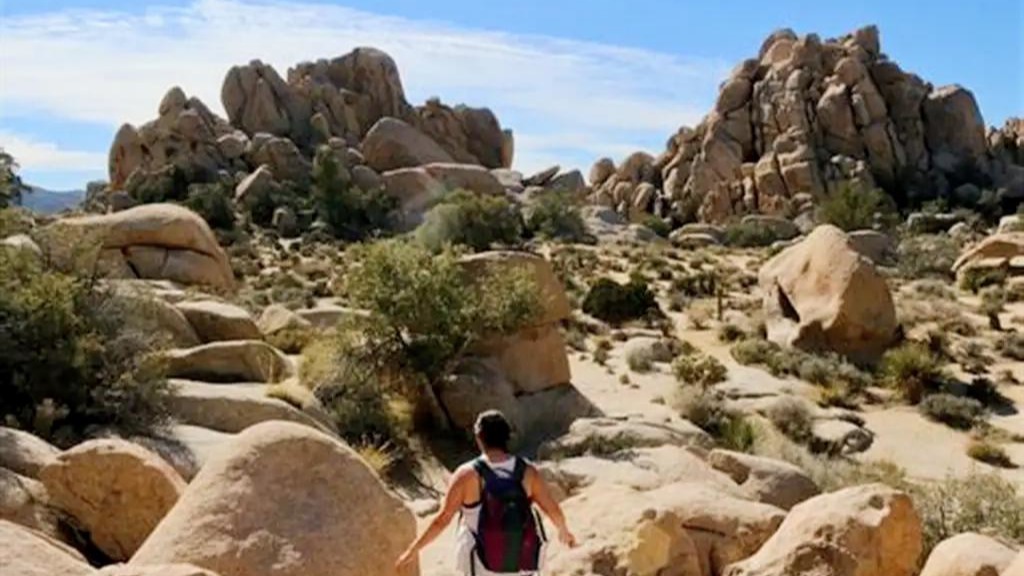
But what stands out most is the quiet. Joshua Tree sits where two deserts meet – the Mojave and the Colorado – and the vastness of the place gives it a kind of stillness that’s hard to find elsewhere. There are moments when you step out of the car and realize there’s almost no sound at all except for the wind moving softly across the desert floor.
And that’s when you start noticing things. The way the light changes across the rocks as the sun moves through the sky. The delicate desert plants that survive in conditions that seem impossibly harsh. The shadows cast by the Joshua trees themselves are long and angular across the sand.
At first glance, the desert might seem empty. But the longer you stay, the more life you begin to see. Road trips often involve a certain rhythm. You drive, stop somewhere briefly, take a few photos, and then move on. But Joshua Tree has a way of slowing that rhythm down. It invites you to linger for a while and walk around. You might climb a few rocks and then sit quietly and just look out across the desert. I wish I had spent two or three days there because there is so much to see, but I had to settle for a full day of hiking and sightseeing.
You begin to understand why so many artists and musicians have been drawn to this landscape over the years; the stark beauty of the desert that clears the mind. The lack of distractions becomes part of the appeal.
As the sun begins to drop toward the horizon, the colors in the park shift dramatically. The granite rocks take on a warm glow, and the silhouettes of the Joshua trees become even more striking against the desert sky.
Joshua Tree doesn’t demand your attention the way some famous landmarks do. Instead, it waits for you to notice its quiet details like the shapes of the trees, the textures of the rocks, the enormous desert sky stretching overhead.
And once you do notice them, it becomes the kind of place you remember long after the trip is over. Sometimes the most beautiful places in the world are the ones that simply ask you to slow down. Joshua Tree is one of those places.

