
Another entry in my ongoing travel series of places I’ve been.
Travel often takes you to famous places. National parks, historic landmarks, scenic viewpoints, where the beauty of the landscape is obvious the moment you arrive.
And then there are the places that don’t really seem to fit into any category.
My trip to the Salton Sea and nearby Slab City falls firmly into another category. Interesting might be the best word to describe both places.
The Salton Sea itself looks out of place the first time you see it. Sitting in the middle of the California desert, it looks like a massive inland lake that shouldn’t really be there. And in many ways, it wasn’t supposed to exist in the form it does today. The modern sea was created in the early 1900s when flooding from the Colorado River filled a low basin in the desert.
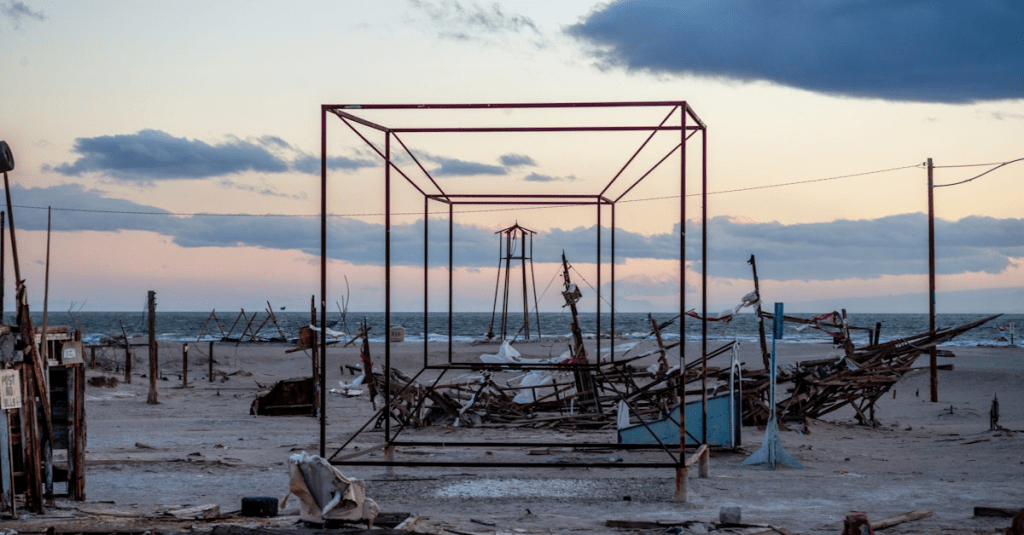
From a distance, it looks peaceful enough with water under the desert sun. But as you get closer, the atmosphere changes.
Shorelines show the effects of decades of environmental challenges. The water level has fluctuated. Some areas appear almost surreal, with abandoned structures and quiet stretches of beach that feel frozen in time. The surrounding desert landscape adds to the sense that you’ve arrived somewhere far removed from the busy world.
And then there’s Slab City.
If the Salton Sea feels unusual, Slab City feels like stepping into an entirely different social experiment.
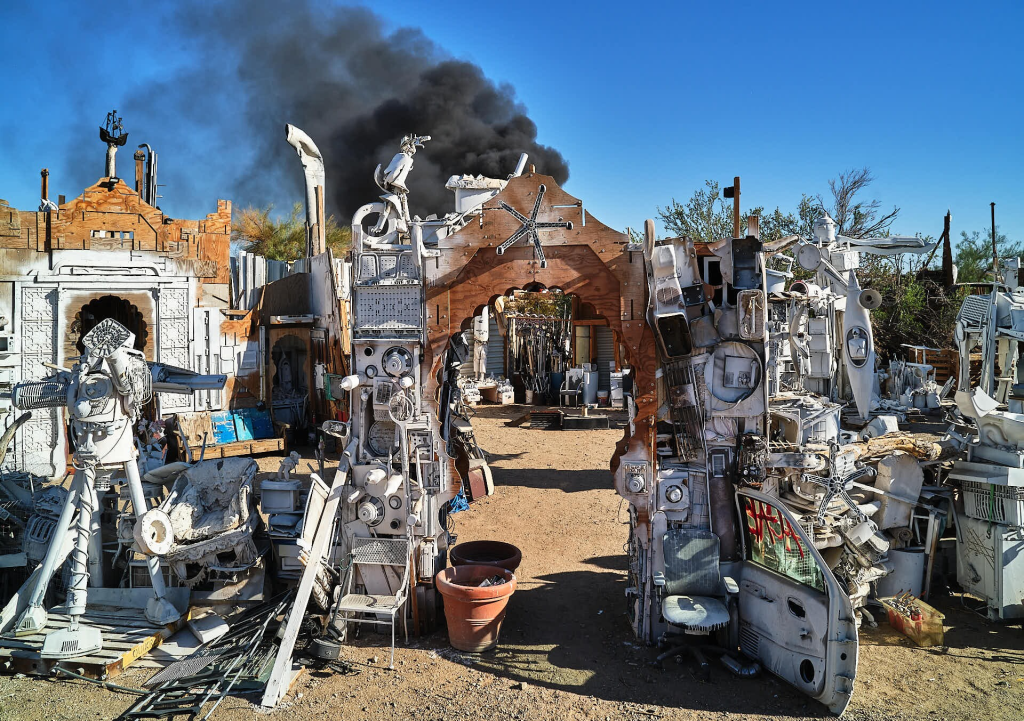
Located on the site of an old military base, Slab City is an off-grid community where people have created an improvised settlement in the desert. RVs, trailers, handmade structures, and art installations dot the landscape. Some residents stay seasonally, escaping colder climates in winter, while others live there year-round.
The place has earned the nickname “the last free place in America,” and walking through it you can see why. There are no conventional city streets. No zoning regulations or neat rows of houses. There are no laws or rent paid and everyone polices themselves. Instead, the landscape is filled with a patchwork of creativity, survival, and improvisation.
One of the most well-known landmarks nearby is Salvation Mountain, a colorful hillside covered in painted messages and artwork created by a local resident decades ago. Against the backdrop of the desert, it feels both whimsical and strangely inspiring.
Like many places in Arizona and part of California, what struck me most about visiting the Salton Sea and Slab City was the sense of remoteness. You feel far away from the familiar rhythms of cities and suburbs. The desert stretches in every direction, and the people who choose to spend time there seem drawn by that very remoteness.
It’s not a place you visit for polished tourist attractions; it’s a place you visit because you’re curious. You are curious about landscapes that don’t quite fit expectations and about communities that exist outside conventional systems. You feel like you are on the edge of the map.
Travel isn’t always about finding the most beautiful destination. Sometimes it’s about discovering places that make you pause and think, “Well, this is different.” The Salton Sea and Slab City certainly fall into that category.
They may not appear on every traveler’s bucket list, but they offer something many famous destinations don’t: a glimpse of life lived far from the usual rules.

