
The next entry in my occasional travel series of places I’ve been to.
You don’t just stumble into Bumble Bee, Arizona. You drive toward it. The desert opens wide around you, saguaros standing like sentries, the sky stretching endlessly in that particular Arizona blue that feels almost exaggerated. The road narrows, the terrain rolls gently, and then suddenly there it is – a scattering of old buildings, weathered wood, history sitting quietly in the sun.
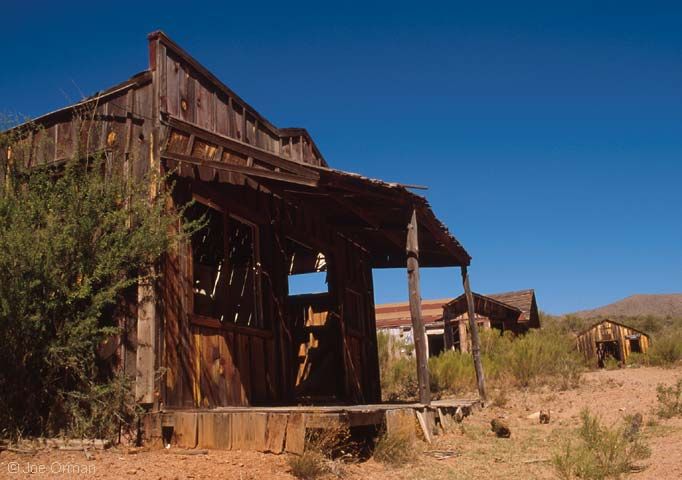
In the late 1800s and early 1900s, Bumble Bee was a mining town tied to Arizona’s gold rush ambitions. The Crown King Mine up the road brought workers, wagons, supplies, and dreams. Men came chasing opportunity. Businesses followed – a hotel, a general store, a stage stop, a post office. For a time, this wasn’t a forgotten patch of desert. It was commerce and hope.
Standing there now, you try to imagine the noise of boots on wooden planks, horses snorting in the dust, voices carrying across the dry air. Laughter and arguments spilling from a saloon. Lives unfolding in a place that must have felt remote and promising all at once.
That’s what struck me most about Bumble Bee – the contrast between what was and what is. The quiet isn’t just peaceful. It’s almost total. Wind moves lightly through scrub brush. But that’s it. Just heat and stillness.
Ghost towns like Bumble Bee tell a story about ambition outrunning sustainability. Gold deposits thin out. Supply lines shift. What was once essential becomes unnecessary and the people move on. But the buildings remain – or at least what is left of them.
There’s something humbling about standing in a place that once believed in its own permanence. The hotel was built to host travelers for years while the store was stocked with the expectation of steady business. The miners didn’t come thinking it would be temporary. And yet, here we are.
At its peak, Bumble Bee was alive because people believed in it. They believed the mine would continue to produce. They believed commerce would continue to flow. And for a while, it did.
But boom towns often carry the seeds of their own bust. When the resource declines, so does the reason to stay. There’s a lesson in that silence and that is what feels vital and permanent today, rarely is tomorrow. Industries boom and then go bust.
And yet, there’s beauty in that too. The desert didn’t erase the town entirely and I’m glad for that. It preserved enough to make you think of days gone by when life was different and slower.
 johnberkovich.com